Buying a Mountain Cabin in Central Utah: A Complete Guide for Out-of-State Buyers
Buying a mountain cabin in Central Utah from out of state is entirely doable — I work with out-of-state buyers regularly — but it comes with a specific set of questions that in-state buyers often skip past. Access, utilities, financing, zoning, insurance, and the practical realities of owning a property you cannot drive to on a moment’s notice all need to be addressed before you commit.
Here’s what I tell every out-of-state cabin buyer before they start looking.
Where Cabin Buyers Look
The two primary mountain corridors in Central Utah attract the most cabin interest:
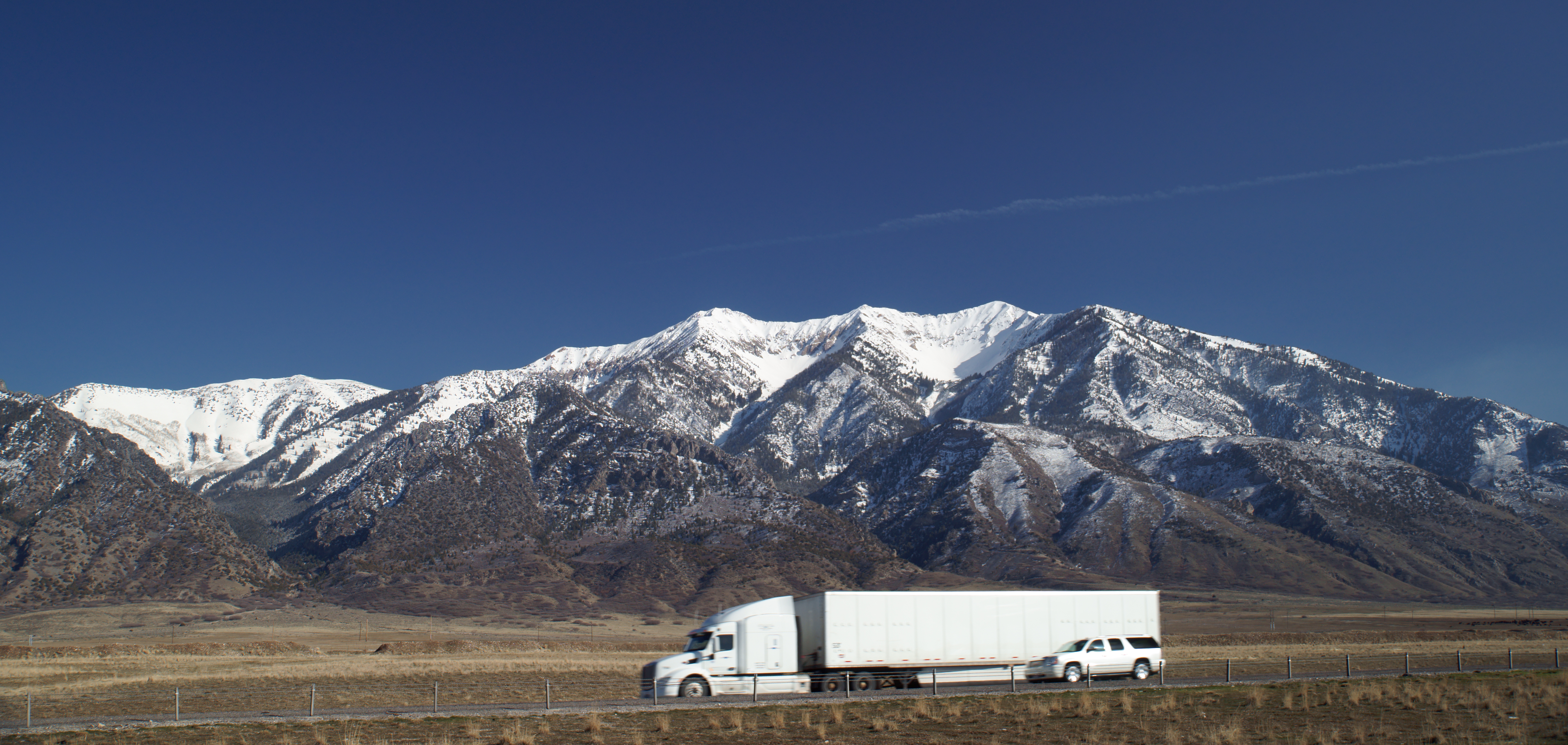
Wasatch Plateau / Skyline Drive (Sanpete County): The San Pitch Mountains and Wasatch Plateau above the Sanpete Valley offer high-elevation cabin areas accessed through canyons from towns like Fairview, Mt. Pleasant, and Ephraim. Skyline Drive runs along the spine of the plateau at 8,000 to 10,000+ feet. This side is known for hunting (elk, deer, turkey), ATV/UTV trail systems, and dramatic high-mountain scenery. Most cabin areas are seasonal access only.
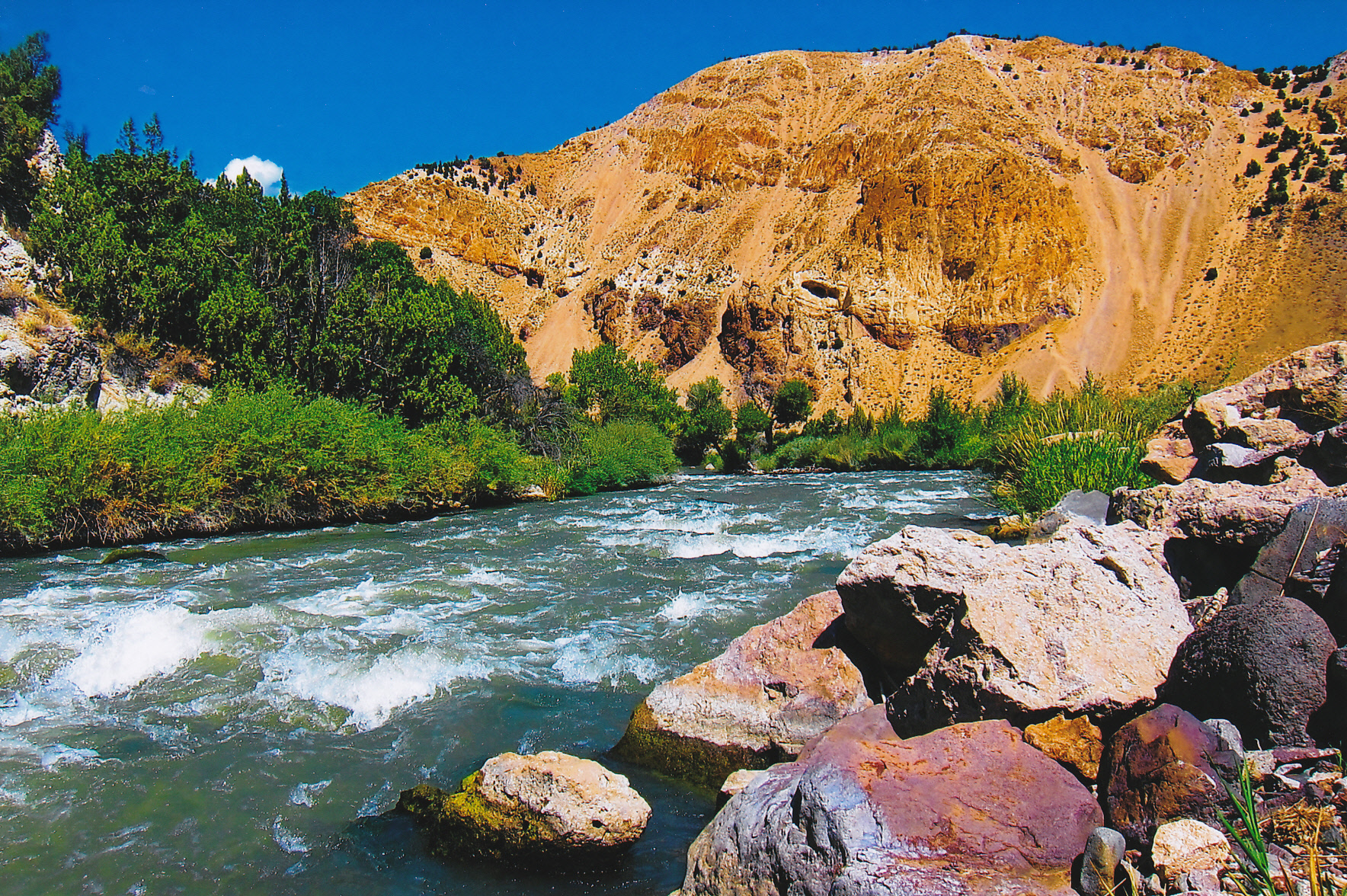
Fishlake National Forest (Sevier County): Accessed primarily through Salina and the I-70 corridor, Fishlake offers world-class fishing (Fish Lake is one of Utah’s best trout lakes), hunting, and proximity to Eagle Point Resort for winter skiing. The I-70 highway access makes this corridor easier to reach from out of state than the Sanpete approaches — less time on unpaved forest roads, which matters when you are hauling a trailer or driving a sedan.
Both areas offer genuine mountain recreation at a fraction of Park City, Sundance, or Southern Utah resort pricing. That price difference is one of the main reasons out-of-state buyers are discovering Central Utah.
For a detailed comparison of these mountain areas, see my guide to the best cabin areas near Skyline Drive and Fishlake.
Questions to Ask Before You Fall in Love with a Cabin
These are the questions I walk through with every cabin buyer. If you are shopping from out of state, they are even more important because you cannot easily drive by the property to check things yourself.
Access
- Is the road maintained year-round, or seasonally? This is the single biggest variable. A cabin with seasonal access is only usable 4-5 months a year. That affects your enjoyment, your insurance, your maintenance responsibilities, and the property’s resale value.
- Who maintains the road? County-maintained roads are generally more reliable than private or shared-access roads. If it is private, who plows in spring? Who grades after storms?
- What kind of vehicle do you need? Some cabin access roads require a 4WD or high-clearance vehicle even in summer. If you are driving a sedan, you need to know this.
Water and Utilities
- What is the water source? Many cabin properties run on a private well, a shared community water system, a spring, or hauled water — get this documented and verified, not assumed from the listing.
- Is there a septic system, and when was it last inspected? Septic systems at elevation can have different challenges than those in the valley. An inspection is essential.
- What about power? Grid power, solar, generator, or some combination? Off-grid cabins have specific maintenance requirements.
- Cell service and internet? Many mountain areas have limited or no cell coverage. If you need to be reachable, verify coverage at the specific property.
Zoning and Use
- What is the actual zoning? A property advertised informally as a “cabin” may be zoned agricultural, recreational, or residential, each with different rules about permanent occupancy, short-term rentals, additional structures, and future resale.
- Can you rent it out? If short-term rental income is part of your plan, verify county regulations before you buy — not all areas allow it, and rules are changing.
Insurance
- Can you insure it? Mountain properties can be difficult or expensive to insure due to wildfire risk, distance from fire stations, and seasonal access limitations. Some standard homeowner policies will not cover a seasonal cabin. Get insurance quotes early — before you commit, not after.
- What about off-season coverage? If the road is closed in winter and you cannot access the property, your insurer may have specific requirements about winterization and monitoring.
Financing a Cabin as an Out-of-State Buyer
Cabin and recreational-property financing works differently than a primary residence. Here is what you need to know:
Conventional loans are the standard path for cabins and second homes, typically requiring a larger down payment — often 10% to 20% or more — than a primary-residence purchase. Lenders treat second homes as higher risk, which means slightly higher interest rates as well.
USDA loans do not apply to second homes or vacation properties — they are restricted to primary residences. This is one of the most common misconceptions among cabin buyers who see that Central Utah qualifies for USDA and assume they can use it for a cabin. You cannot.
FHA loans also do not apply to second homes or vacation properties. FHA is for primary residences only.
Non-standard cabins — those with minimal utilities, non-traditional construction, seasonal-only access, or other unusual characteristics — may not qualify for standard conventional financing at all. In those cases, cash purchases or portfolio loans (loans held by a local bank rather than sold to the secondary market) may be the only options. I will tell you upfront if a specific property looks like it falls into that category.
Lender experience matters. Not every lender is comfortable with mountain property. You want a lender who has closed cabin transactions in this area and understands the appraisal challenges that come with limited comparable sales at elevation. I can connect you with people who handle these regularly.
The Appraisal Challenge
Mountain cabin appraisals are one of the most difficult assignments in real estate. Comparable sales may be sparse, spread across different mountain areas, and vary widely in access, condition, and amenities. Two cabins a mile apart might have completely different access situations, water sources, and conditions.
As someone with an appraisal background, I understand this process from the inside. I can help you evaluate whether a listed price is supported by the market before you commit, and I can anticipate potential appraisal issues that might affect your financing. This is particularly valuable for out-of-state buyers who do not have local market knowledge to draw on.
Buying Sight-Unseen or on a Short Visit
Many of my out-of-state cabin buyers can only visit once — or not at all — before closing. This is workable with the right approach:
- Detailed video walkthroughs — I walk the property with my phone, showing you every angle, the road access, the views, the neighbors, and the details that photos do not capture. I talk through what I am seeing and what I would want to know if I were buying it.
- A qualified local inspector — not just a general home inspector, but someone who understands wells, septic systems, mountain construction, and the specific challenges of seasonal properties. I have inspectors I trust in this area.
- Title work by a company experienced with rural Utah — title issues on mountain properties can be more complex than in subdivisions. Easements, access rights, and boundary questions are more common.
- My honest assessment — I will tell you what I see, what concerns me, and whether I think a property is a good fit for what you described. I am not going to tell you what you want to hear to close a deal.
If possible, I always recommend at least one visit before closing. A video walkthrough is valuable, but there is no substitute for standing on the property, looking at the view, driving the access road, and getting a feel for the area. It is a big decision and you should be confident.
Property Management and Off-Season Care
If you live out of state, think about how the property will be cared for when you are not there:
- Winterization — seasonal cabins need to be properly closed each fall: water lines drained, pipes blown out, heat set to minimum, entry points secured against animals, and any snow-load concerns addressed.
- Spring opening — when roads open, someone needs to check the property, turn on water, inspect for damage from winter weather or animals, and make sure everything is functional.
- Emergency response — if a pipe bursts, a tree falls on the roof, or animals get inside, who handles it when you are 500 miles away?
- Maintenance — rural properties need regular attention: road grading, brush clearing for fire safety, septic maintenance, well system checks.
I can help connect you with local people who provide property management and caretaking services for seasonal cabins.
Frequently Asked Questions
Can I get a USDA loan for a cabin in Utah?
No. USDA Rural Development loans are restricted to primary residences and don’t apply to second homes, cabins, or vacation properties. Conventional financing is the standard route for cabin purchases, typically with 10-20% down.
How much down payment do I need for a cabin in Central Utah?
Lenders typically require 10% to 20% or more for a second home, depending on the lender, your credit profile, and the property. Non-standard cabins without full utilities or year-round access may require more, or cash.
Do mountain cabin roads stay open year-round in Central Utah?
It depends entirely on the specific property and its elevation. Some mountain access roads are maintained and plowed year-round; others close in November and do not reopen until late May or June. This is the single most important variable in a cabin purchase, and it is the first thing I verify.
Can I buy a Central Utah cabin without visiting in person?
Yes, with the right team in place — a rural-experienced inspector, a title company familiar with the area, detailed video walkthroughs, and an agent who will give you an honest assessment. I regularly help out-of-state buyers close this way, though I always recommend at least one visit before closing if possible.
Can I rent out my cabin on Airbnb or VRBO?
It depends on the county regulations and any restrictions that apply to the specific property. Some areas of Central Utah allow short-term rentals with a business license; others restrict or prohibit them. Verify this before buying if rental income is part of your plan.
How far is Central Utah from Salt Lake City?
Sanpete County (Ephraim, Manti) is roughly 2 to 2.5 hours south of Salt Lake City via I-15 and US-89. Sevier County (Richfield, Salina) is about 2.5 to 3 hours via I-15 and I-70. Juab County (Nephi) is about 1.5 hours from the Salt Lake Valley.
If a cabin in Central Utah is on your radar, browse current listings or let’s talk specifics — I’ll tell you honestly what a given property’s access, utilities, and financing picture actually looks like before you spend money on an inspection.