Buying Rural Property in Central Utah
What you need to know before you buy — wells, water rights, septic, financing, and everything the listing description does not tell you.
Buying Rural Is Not the Same as Buying in Town
If you are looking at property in Sanpete, Sevier, Millard, or Juab County, you are probably not looking at a standard subdivision with city utilities and an HOA. That is part of the appeal.
But buying rural property comes with questions that do not come up in a typical suburban purchase. Where does the water come from — a well, a municipal connection, or a water share through an irrigation company? Is there a septic system, and when was it last inspected? Are there easements or access roads that affect how you use the property? What are the zoning restrictions on that acreage?
These are not deal-killers. They are simply part of rural property ownership. But you need to understand them before you buy, and you need an agent who knows what to look for and what questions to ask.
That is what I do. I have spent my career working with rural property across Central Utah — not just selling it, but understanding how to evaluate it. My background as a certified appraiser means I know how wells, septic systems, water rights, outbuildings, and acreage affect a property's real value, not just its listing price.
What You Need to Understand Before You Buy
Water Rights and Water Shares
Water is one of the most important — and most misunderstood — aspects of rural property in Utah. Water rights are a legal entitlement to use water from a specific source, like a well or a natural spring. Water shares are ownership in an irrigation company that delivers water on a seasonal schedule. A property might have one, both, or neither. The difference matters for what you can do with the land, how you water it, and what the property is worth. I will walk you through exactly what water a property has, what it means for your intended use, and whether it is adequate.
Wells
Many rural properties in this area rely on private wells for domestic water. A well test will tell you the flow rate (how much water it produces), the static water level, and the water quality. These numbers matter — a low-producing well may work for a single household but may not support livestock or irrigation. I always recommend a well test on any rural property with a private well, and I can explain what the results mean for your situation.
Septic Systems
If a property is outside municipal sewer service, it will have a septic system — a tank and drain field that processes wastewater on site. Septic systems have a finite lifespan and need periodic maintenance. Replacing one is expensive. I recommend a septic inspection on every rural property purchase so you know the condition and estimated remaining life before you close.
Outbuildings, Shops, and Barns
A detached shop, a barn, a horse shelter, storage buildings — these are common on rural properties and can add meaningful value. But not all outbuildings are equal. Condition, size, whether they have power or water, and whether they were permitted all affect their contribution to the property's worth. As an appraiser and agent, I can help you assess what those structures are actually worth versus what the seller may be asking for them.
Access and Easements
Some rural properties are accessed by county-maintained roads. Others are on private roads, shared roads, or roads maintained by an informal agreement between neighbors. Easements — legal rights for someone else to cross or use part of your property — are also common. These are not necessarily problems, but you need to understand them before you buy. I will make sure you know how you get to the property, who maintains the road, and whether any easements affect your use.
Financing Rural Property
One of the most common concerns buyers have about rural property is financing. The good news is that most rural homes in Central Utah qualify for standard mortgage products — including USDA Rural Development loans, which offer zero down payment for qualified buyers.
That said, not every property or situation fits neatly into a standard loan. Properties with significant acreage, unusual improvements, or non-traditional construction sometimes require lenders who understand rural transactions. Raw land typically requires different financing than a home.
I work with lenders who regularly handle rural property in this area — people who understand wells, septic, acreage, and the appraisal process for non-standard properties. I will help you find the right financing for the specific property you are buying.
USDA Loans
Zero down payment, competitive rates. Most of Sanpete, Sevier, Millard, and Juab County qualifies. Income limits apply.
FHA & Conventional
Work for many rural homes. Some restrictions on acreage, condition, and property type. Down payment varies by program.
Land & Specialty
Raw land, manufactured homes, and non-traditional properties often need specialized lending. I will connect you with the right people.
Looking specifically at raw land or acreage? I have a dedicated guide for land buyers and sellers. Interested in a mountain cabin or recreational property? I cover Skyline Drive, Fishlake, and Nebo Loop areas as well. And if you already own property and are thinking about selling, my appraisal background gives you a pricing advantage in this market.
Looking at Rural Property?
Tell me what you are looking for — acreage, location, budget, intended use — and I will help you understand the market, find the right property, and navigate the details that matter in a rural purchase.
Start Your Rural Property SearchBuying From Out of State or Out of Area
A significant number of my buyers are relocating — from the Wasatch Front, from other states, or from other parts of the country entirely. Whether you are moving from Salt Lake City, California, or somewhere else, the fundamentals of the buying process are the same. But your need for a knowledgeable local agent is even greater.
I will be your eyes and ears on the ground. I can walk a property, take detailed photos and video, explain the neighborhood context, and give you an honest assessment of whether it meets your criteria — before you drive six hours or fly in.
We can handle much of the search, negotiation, and paperwork process remotely. But I always recommend at least one in-person visit before you close, so you can see the property, the area, and the community for yourself. It is a big decision and you should feel confident about what you are buying.
How I Work With Buyers
I will always give you my honest assessment. If I think a property is overpriced, I will tell you. If I think the well report raises a concern, I will explain it. If a property does not fit what you are trying to do, I would rather tell you that now than let you find out after closing.
I will walk the property with you — not just tour the house, but the land, the outbuildings, the access, and the boundaries. I want you to understand what you are buying, not just what the listing photos show.
Buyer representation does not cost you anything out of pocket in most transactions. The seller typically pays the commission. You get a dedicated advocate who knows rural property, knows this market, and is looking out for your interests — at no additional cost to you.
Rural Buyer Questions
Related Articles
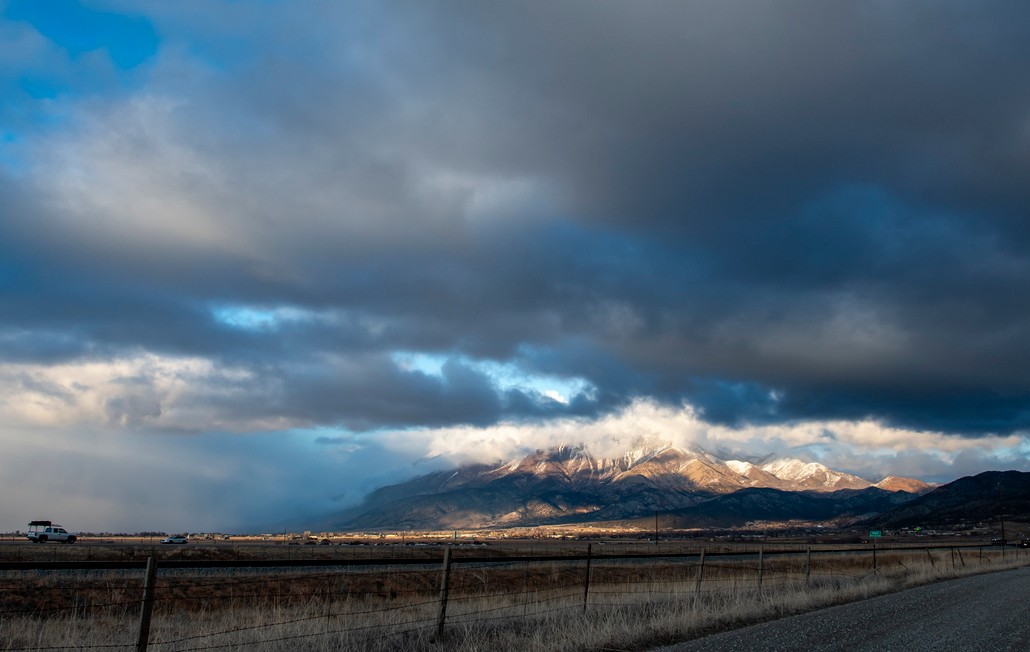
How to Buy Land in Rural Utah: Zoning, Wells, Septic & Access, Explained
The essential checklist for buying land in rural Central Utah — zoning, well and water rights, septic requirements, and access — explained plainly.
5 Things Every First-Time Homebuyer in Utah Needs to Know
Buying your first home in Utah? Here are five essential things you need to know before you start — from USDA loans to why getting pre-qualified matters more than you think.
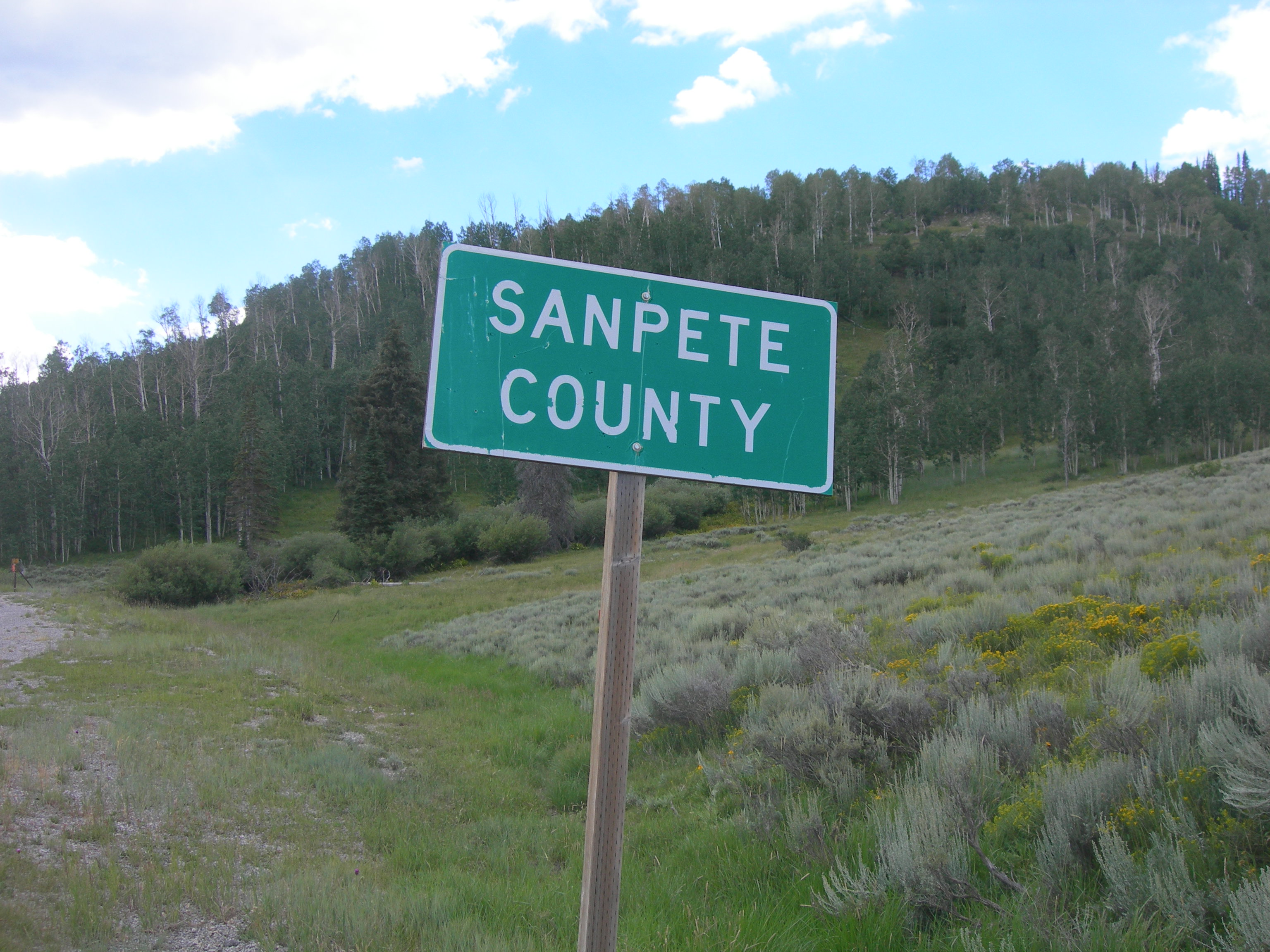
USDA Rural Development Loans Explained: 0% Down in Sanpete, Sevier, Millard & Juab Counties
How USDA Rural Development loans work, where they apply across Central Utah, and how to know if you and a specific property qualify for 0% down.
Let's Find Your Rural Property
Tell me what you're looking for — acreage, location, budget — and I'll help you navigate the rural buying process from start to close.