Utah County vs. Central Utah: A Real Cost-of-Living and Housing Comparison
If you’re priced out of Utah County, the question isn’t whether Central Utah is cheaper — it is, consistently and significantly — it’s whether the tradeoffs actually fit your life.
I work with buyers making this exact move regularly, and I’ve seen it work out beautifully for the right people and frustrate the wrong ones. The difference is almost always about setting honest expectations upfront. Here’s a real comparison — not a sales pitch for either side.
Housing Costs: The Numbers
Utah County (Provo, Orem, Lehi, American Fork, Springville, Spanish Fork) has seen home prices climb well beyond what many first-time and move-up buyers can manage, especially for anything with land or a garage. The explosive growth in the tech corridor between Lehi and Provo has pushed prices to levels that were unthinkable a decade ago.
Central Utah pricing is a fundamentally different market. Here’s what the difference looks like in practical terms:
What a typical Utah County budget buys in Central Utah:
- A budget that gets you a 1,200 square foot townhome in Orem can get you a 2,000+ square foot single-family home with a yard in Ephraim or Richfield
- A budget that gets you a small-lot starter home in Spanish Fork can get you a home on an acre or more in Gunnison, Moroni, or Salina
- A budget that makes acreage impossible in Utah County can get you 5 to 20+ acres with a home in Millard or Sanpete County
County-by-county relative to Utah County:
- Juab County (Nephi) — The smallest price gap because of commute proximity to Utah County. Still meaningfully more affordable, but the advantage is narrower than the other three counties.
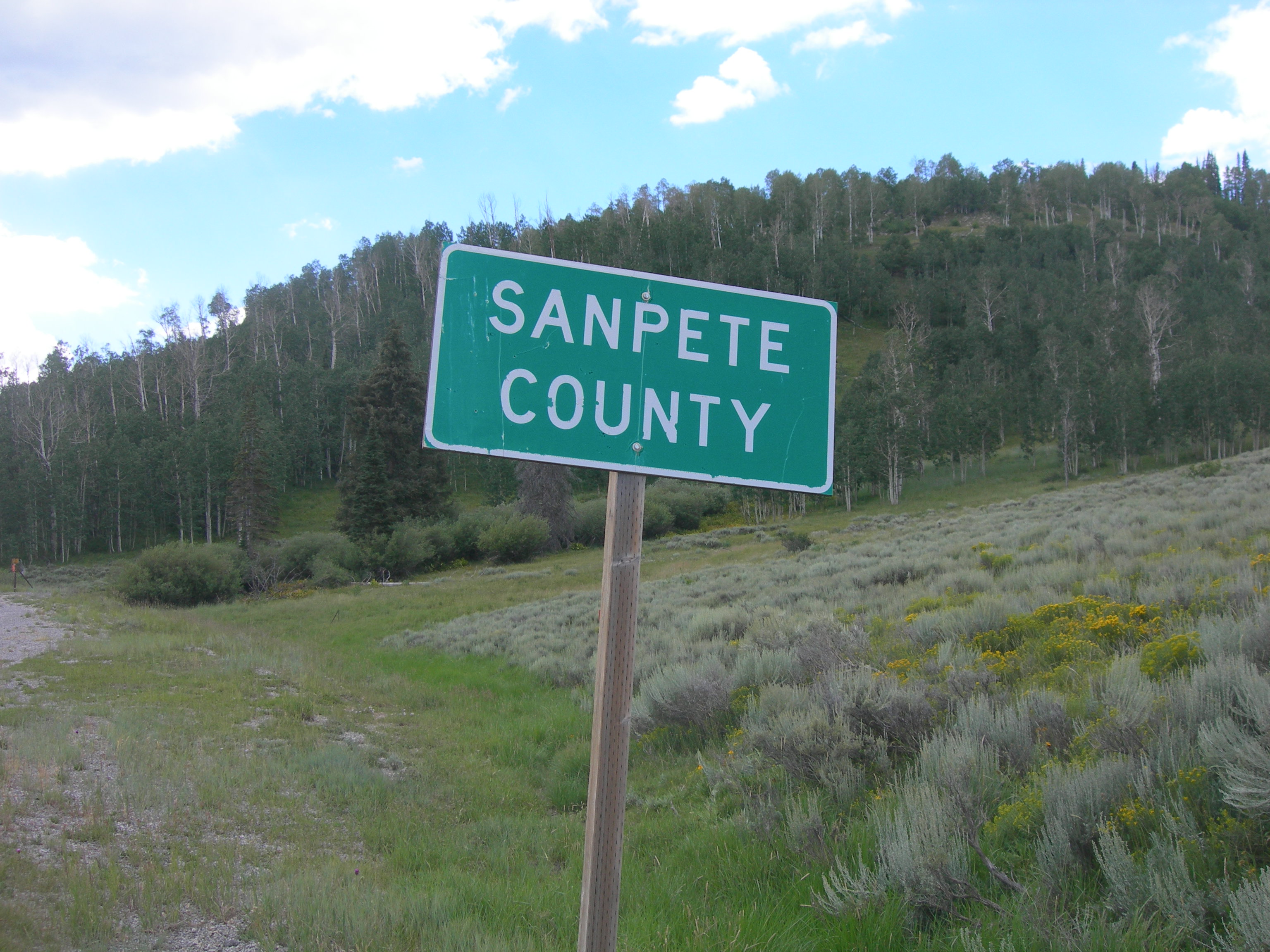
- Sanpete County (Ephraim, Manti, Mt. Pleasant, Spring City) — A substantial price drop from Utah County with charming small-town character and a range of housing from historic homes to newer construction.
- Sevier County (Richfield, Salina, Monroe) — Similar affordability to Sanpete with the advantage of more local infrastructure and services.
- Millard County (Delta, Fillmore) — The most affordable of the four. Buyers looking for maximum land and home for their dollar find it here. If acreage for homesteading is the goal, Millard deserves a serious look.
Property taxes are also notably lower. The combination of lower assessed values and competitive tax rates means your monthly housing cost is lower than the purchase price alone suggests.
Beyond Housing: Full Cost of Living
Housing is the biggest line item, but it’s not the only savings:
- Property taxes — lower assessed values and competitive rates across all four counties
- Utilities — generally comparable or slightly lower than Utah County, though propane heating on rural properties can be a variable cost
- Insurance — homeowner insurance is often lower, though rural or mountain properties may see higher rates due to fire risk or distance from fire services
- Groceries — similar to Utah County for staples, though selection may be more limited. You may drive to Richfield or Provo for bulk shopping trips.
- Gas — you drive more in rural Central Utah, so fuel costs can offset some savings. Budget for this honestly.
- Childcare and activities — fewer options means potentially lower costs but also fewer choices
The net result for most relocators is a meaningfully lower total cost of living, with housing savings being the largest single factor.
Commute: The Honest Assessment
This is the make-or-break factor for most Utah County buyers, and I am direct about it because getting this wrong leads to regret.
Juab County (Nephi) → Provo: ~45 minutes. This is the one genuinely commutable distance. The drive is I-15 the entire way, straightforward and predictable. Many Nephi residents commute to Provo daily. The route can be affected by winter weather through the Santaquin Canyon area, but it is well-maintained and usually manageable.
Sanpete County → Provo: ~90 minutes. Via US-89 through Thistle Canyon or through Nephi and over the Levan Ridge. Not a daily commute by any reasonable standard. Workable for 1-2 days a week if combined with remote work the other days. Some people do it; most find it unsustainable long-term.
Sevier County → Provo: ~2 hours. Via I-15. This is an occasional trip, not a commute. Monthly or quarterly office visits, medical appointments, shopping runs.
Millard County → Provo: ~2 hours. Via I-15 through Nephi. Same as Sevier — occasional trips only.
The remote work question: If you are fully remote, commute distance becomes irrelevant and all four counties are equally viable. But verify internet availability at the specific property before you commit — town centers generally have adequate broadband, while rural properties may rely on Starlink, fixed wireless, or DSL. See my guide on moving from Salt Lake City for more on this topic.
Lot Size and Land Access
This is where Central Utah wins decisively, and it’s the factor that pushes many Utah County buyers over the edge.
Utah County lots have shrunk dramatically as the market has densified. New construction increasingly means 0.15-acre lots, zero lot lines, and HOAs that restrict everything from paint colors to parking. Larger lots exist but at premium prices that put them out of reach for many buyers.
In Central Utah:
- Quarter-acre to half-acre lots are standard in most towns, even for modest homes
- One-acre to five-acre properties with homes are common and affordable
- Larger acreage (5-40+ acres) with or without homes is available at price points that would buy a parking spot in some Utah County communities
- Raw land purchases for building or homesteading are realistic — you can buy buildable acreage for what a Utah County buyer pays in down payment
- HOAs are rare — most properties in Central Utah’s towns and rural areas have no HOA, no architectural review committee, and no restrictions on parking your truck in your own driveway
For buyers who want to keep animals, garden seriously, build a shop, park equipment, or simply not see directly into their neighbor’s kitchen window, this is a fundamental quality-of-life upgrade.
Schools and Education
Utah County has a wider selection of schools — more charter options, more specialized programs, and BYU and UVU for higher education. This is an honest advantage.
Central Utah schools are smaller, with smaller class sizes and communities that are closely tied to their schools. Each county has its own school district with elementary, middle, and high schools in the main towns.
Snow College in Ephraim (Sanpete County) offers associate degrees and some bachelor’s programs, and is one of the most affordable colleges in the state. It’s also a meaningful employer and community anchor.
For families, smaller schools can be an advantage (more individual attention, tighter community) or a disadvantage (fewer specialized programs, fewer extracurricular options) depending on your priorities. I recommend visiting schools as part of your property search.
Healthcare
Utah County has Utah Valley Hospital (a major regional hospital), multiple urgent care facilities, a wide range of specialists, and proximity to Salt Lake City’s medical corridor. If specialty care is a regular part of your life, this is a real consideration.
Central Utah has:
- Sevier Valley Hospital in Richfield — the primary regional hospital for the area, with emergency services, general surgery, and some specialty clinics
- Gunnison Valley Hospital in Sanpete County — smaller facility with emergency and basic services
- Central Valley Medical Center in Nephi — smaller hospital with emergency services
- Family practice and primary care in each county seat
For routine medical care — checkups, urgent care, prescriptions — local services are adequate. For specialty care (cardiology, orthopedics, oncology, complex surgery), you are driving to Provo or Salt Lake City. This is a real consideration for buyers with ongoing medical needs.
Amenities and Services
What Utah County has that Central Utah doesn’t:
- Major retail (malls, big-box stores, specialty shops)
- Restaurant variety (national chains and local restaurants across every cuisine)
- Entertainment (movie complexes, live event venues, recreation centers)
- Multiple grocery store options within minutes of most homes
- Fast food and delivery services
What Central Utah has:
- Richfield is the commercial hub with Walmart, Home Depot, a movie theater, several restaurant options, and the most retail variety in the region
- Nephi has some retail and restaurant options, benefiting from I-15 traffic
- Ephraim and Manti have local grocery stores, a few restaurants, and essential services
- Delta has basic retail and grocery
The adjustment: You will make intentional shopping trips rather than impulse stops. Many Central Utah residents combine trips to Richfield, Provo, or Salt Lake City for bigger purchases, bulk groceries, and specialty items. Online ordering with delivery has improved this gap significantly, but it hasn’t eliminated it.
Financing Differences
One of the most important differences that Utah County buyers often don’t know about: USDA Rural Development loans offer 0% down payment for qualifying buyers in most of Central Utah. This program is not available in Utah County’s more populated areas.
For a buyer who qualifies, USDA financing can mean buying a home in Central Utah with no down payment at all — compared to the 3.5% to 20% needed for an equivalent Utah County purchase. On a $300,000 home, that’s $10,500 to $60,000 in down payment savings. For more on how loan types compare in Central Utah, see my financing guide.
Who This Move Makes Sense For
After helping many Utah County buyers make this transition, these profiles work best:
- Remote workers who need internet but not a daily office commute — the housing savings can be dramatic and life-changing
- First-time buyers who feel completely priced out of Utah County and want to own rather than rent indefinitely — especially those who qualify for USDA 0% down financing
- Buyers who value land and outdoor access over proximity to retail and entertainment — if your weekends are about hunting, fishing, and ATVs rather than malls and restaurants, Central Utah is a direct upgrade
- Retirees looking to stretch retirement savings while enjoying a quieter pace of life
- Families prioritizing space — yard for kids, room for animals, distance from traffic
- Commuters specifically willing to settle in Nephi for the 45-minute drive to Provo — this is the one commutable option and it’s a legitimate one
- Homesteading-minded buyers who want acreage for self-sufficiency at affordable prices
Who Should Think Twice
Being honest:
- Buyers who need daily commute access to anywhere in Utah County beyond Nephi
- People who would miss restaurant variety, nightlife, and urban amenities — if dining out is a significant part of your lifestyle, the adjustment is real
- Families who need access to specialty medical care on a regular basis
- Buyers who are moving only because of price and don’t genuinely want a rural lifestyle — the cheapest house is not a bargain if you are unhappy in it
Frequently Asked Questions
Is it cheaper to live in Central Utah than Utah County?
Yes, consistently and significantly. All four counties I serve — Sanpete, Sevier, Millard, and Juab — offer more home and land per dollar than Utah County. The gap is largest for buyers seeking acreage or larger properties, and smallest in Juab County due to its commute advantage.
Can I still commute to Utah County from Central Utah?
Only realistically from Nephi in Juab County, about 45 minutes to Provo. Sanpete County is about 90 minutes, and Sevier and Millard are 2+ hours — workable for occasional trips but not a daily commute. Remote workers do well in all four counties.
What do I give up moving from Utah County to Central Utah?
Primarily amenity density — restaurants, retail, specialty healthcare, entertainment, and school variety. What you gain is significantly more space, lower cost of living, a quieter pace of life, and access to outdoor recreation that’s part of daily life rather than a weekend trip.
Can I get a USDA loan in Central Utah but not Utah County?
In most cases, yes. Most of Central Utah qualifies for USDA Rural Development financing (0% down), while Utah County’s more populated areas do not. This alone can make the financial difference between continuing to rent and being able to buy.
What about property values — will my Central Utah home appreciate?
Central Utah has seen steady appreciation, particularly in Sanpete County and areas popular with remote workers. The appreciation rate is typically more moderate than Utah County’s boom-and-bust cycles, which can actually be an advantage for stability. As a certified appraiser and REALTOR, I can give you a realistic read on value trends for specific areas.
If you’re weighing this move, I can walk you through actual current listings in both markets so you’re comparing real numbers, not averages. Let’s talk — a 15-minute conversation can save you months of uncertainty.