UAD 3.6 Is Here: What the New Appraisal Report Means for Your Central Utah Sale
The appraisal report lenders use for most conventional loans has a new format called UAD 3.6. Fannie Mae and Freddie Mac require it starting Nov 2, 2026; some lenders have a temporary exception, and the old forms are fully retired by June 28, 2027. The way an appraiser arrives at value stays the same. What changes is how your property gets measured, photographed and described, and that shows up on appraisal day.
I sell homes, cabins and land in Central Utah, and I’m also an active Certified Residential Appraiser. I’ve been completing 3.6 reports, so here’s what it looks like from both sides of the table.
What Is UAD 3.6?
For years, conventional-loan appraisals came on a stack of separate forms: the 1004 for a single-family home, the 1073 for a condo, the 1004C for a manufactured home, the 2055 for an exterior-only appraisal, and a few more. UAD 3.6 replaces those with one redesigned Uniform Residential Appraisal Report (URAR). It’s a dynamic report, so the sections that appear depend on the property. It’s built on a data standard called MISMO 3.6, which is where the name comes from.
This didn’t happen overnight. Limited production started September 8, 2025, and broad, optional use opened January 26, 2026. If you want the source material, Fannie Mae’s UAD page and Freddie Mac’s UAD page lay it out, and Fannie Mae keeps a UAD FAQ.
When Does the New Report Apply to My Sale?
It depends on the loan and the lender. Here’s the timeline:
- Nov 2, 2026: New appraisals submitted to Fannie Mae and Freddie Mac’s portal (UCDP) need to be in 3.6, based on the first submission date. The GSEs have said the November 2 mandate is not changing.
- Through May 19, 2027: Lenders that received a one-time exception can still submit the old 2.6 format, with reduced collateral-review benefits starting March 1, 2027. Details are in Fannie Mae’s exception announcement.
- May 20, 2027: 3.6 is mandatory for everyone.
- June 28, 2027: The old 2.6 format is retired.
FHA, VA and USDA each set their own timelines, so don’t assume a government loan follows the same dates. The simple move: ask your lender which format they’re ordering.
What Changes on Appraisal Day?
The old forms leaned on checkboxes and add-on pages. 3.6 uses structured data fields, which means the appraiser has to fill in specific details instead of summarizing them. New or expanded fields include:
- Ceiling height and front door elevation
- Accessibility features
- Vehicle storage, including its area
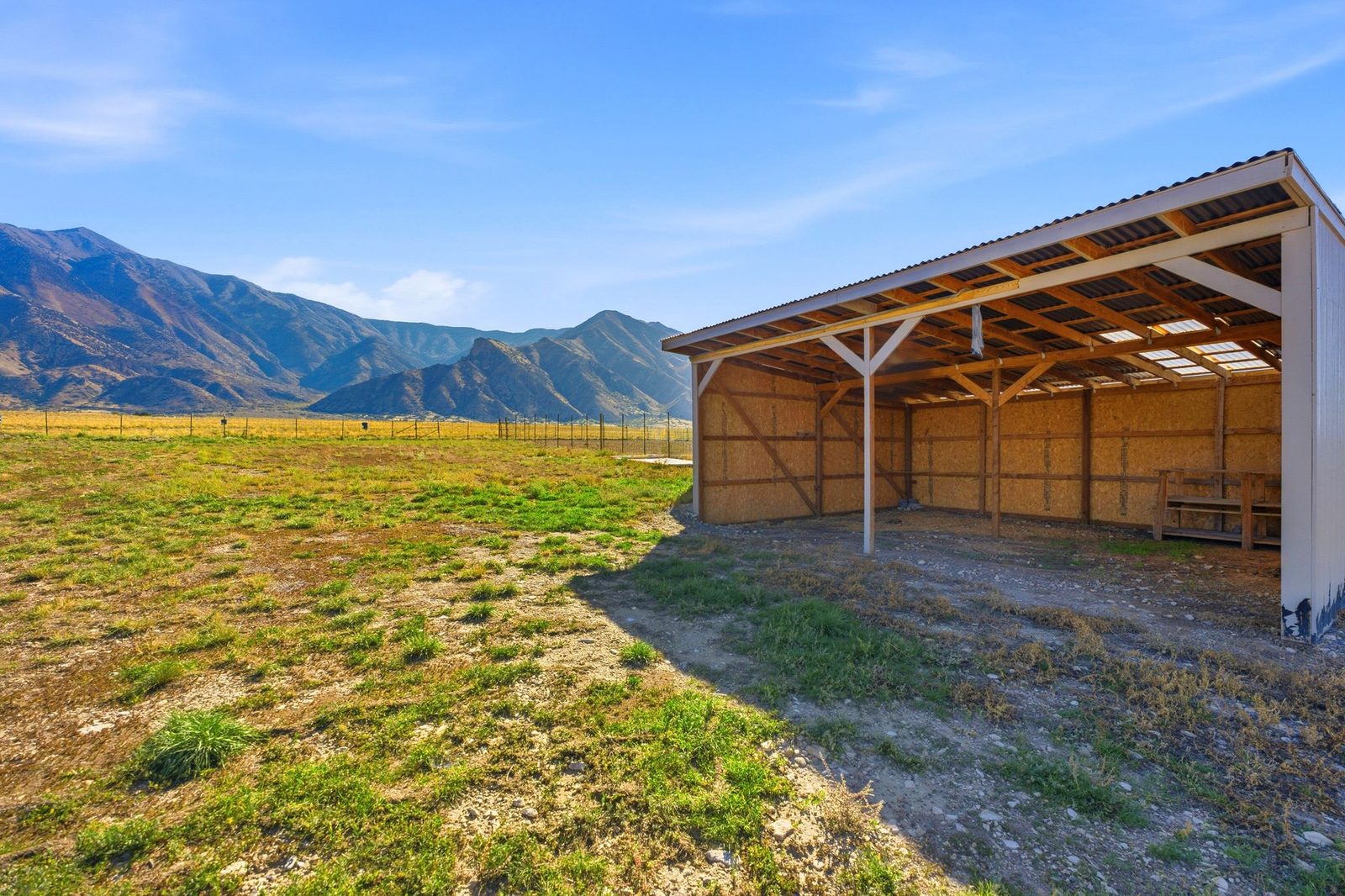
- Outbuildings as their own section, with size, photos and any defects
- Energy-efficient features and solar, including whether the system is owned, leased or under a power purchase agreement (PPA)
- Ownership rights that are not included, such as water, mineral or timber rights
- Whether a private road has a maintenance agreement
Square footage is measured to the ANSI Z765 standard.
For rural Central Utah, that list matters. Shops, barns, private roads, water and mineral rights, solar and manufactured-home HUD labels each have dedicated fields now. Those are the details that make properties out here different, and the report captures them instead of burying them in a comment. (For a deeper look at how shops and barns get priced and documented, read how much a detached shop, barn, or outbuilding adds to a home’s sale price in Central Utah.)
Photos are more defined too. Always required: the front, a street scene, all kitchens, all baths, and the main living areas including every bedroom. When they apply: below-grade areas, recent updates, views that affect value, the inside and outside of outbuildings, each defect, and manufactured-home HUD labels and the data plate. A rear photo is required only when the client or the scope of work calls for it. The appraiser is also expected to include a sketch or floor plan, or explain why there isn’t one.
How Are Defects Handled Now?
Defects go into a table. Each one gets a photo, a recommended action and a flag for whether it affects safety or soundness. Any defect marked for repair, inspection or completion makes the report “subject to,” which usually means a re-inspection before closing. Cosmetic items can stay “as is” and are reflected in the condition rating.
The familiar quality and condition ratings (Q1 through Q6, C1 through C6) are still here. Now there’s an overall rating plus separate exterior and interior ratings, with detail by component. A “subject to” report also shows the as-is condition.
Will Appraisals Cost More or Take Longer?
Fannie Mae and Freddie Mac haven’t published fee or turnaround numbers. What they’ve said is that the new format improves the review process and reduces revisions.
From my own desk: my first 3.6 reports took longer. The new fields, defect entry, data validation errors and photo category rules all added time. I also take more measurements in the field now, like ceiling height, front door elevation and garage square footage.
Here’s what I’m seeing locally on fees: they’re going up, because inspections take longer, and the report itself is much bigger. According to Working RE magazine, UAD 2.6 had about 190 data elements, and UAD 3.6 has more than 900. More time on site and at the desk costs more.
And on turnaround: plan on about two extra days, give or take, depending on how busy appraisers are. If you’re under contract, build that into your appraisal deadline.
How Do I Get My Central Utah Property Ready?
A little prep makes the appraiser’s job easier and keeps your closing on schedule:
- Give access to everything. Outbuildings, shops, the attic, crawl space, basement and any ADU. If it’s locked, it may not get documented the way you want.
- Have your paperwork ready. Water rights or shares, solar paperwork, well and septic information, any private road agreement, and a dated list of recent updates.
- Fix safety items before appraisal day. Missing steps, missing handrails and exposed wood are the kind of things that can turn a report “subject to” and trigger a re-inspection. They’re usually cheap to fix and expensive to wait on.
- Expect a longer inspection. More measuring and more photos means the appraiser will likely be there longer than you’re used to.
- Know your internet setup. Broadband isn’t a 3.6 field, but buyers in rural areas ask about it, so it’s worth having the details handy.
What This Means If You’re Selling or Buying
For sellers, the new report is more detailed, especially on the rural features that set Central Utah property apart. Clear documentation on water, outbuildings and access helps the appraiser describe what’s really there. Buyers should hear about any “subject to” items early so a re-inspection doesn’t push back closing.
On the REALTOR® side, my job is still the same: price the property right from day one based on what’s actually selling in your town. If you’re getting ready to list or buy and want to talk through how the new report might touch your property, reach out.
Frequently Asked Questions
Does UAD 3.6 change my home’s appraised value?
No. It changes the report format and the data the appraiser collects. The appraisal process for arriving at value is the same.
Is the old appraisal form gone on November 2, 2026?
Not entirely. Fannie Mae and Freddie Mac require the new format starting Nov 2, 2026, but some lenders have a temporary exception, and the old forms are fully retired by June 28, 2027.
Do FHA, VA and USDA loans use UAD 3.6?
Each agency sets its own timeline. Ask your lender which format they’re ordering for your loan.
Will the appraiser need a photo of the back of my house?
Only if the client or the scope of work calls for it. The front, a street scene, kitchens, baths, main living areas and bedrooms are always required.
Mike Price, REALTOR®, Heritage Realty Group · Certified Residential Appraiser, MK Appraisals · 2026 UTCAP President-Elect. A blog post isn’t an appraisal; if you need one, that’s a separate, paid assignment.